

“As I live, says the Lord God, I have no pleasure in the death of the wicked, but that the wicked turn from their ways and live.” — Ezekiel 33:11, NRSVUE
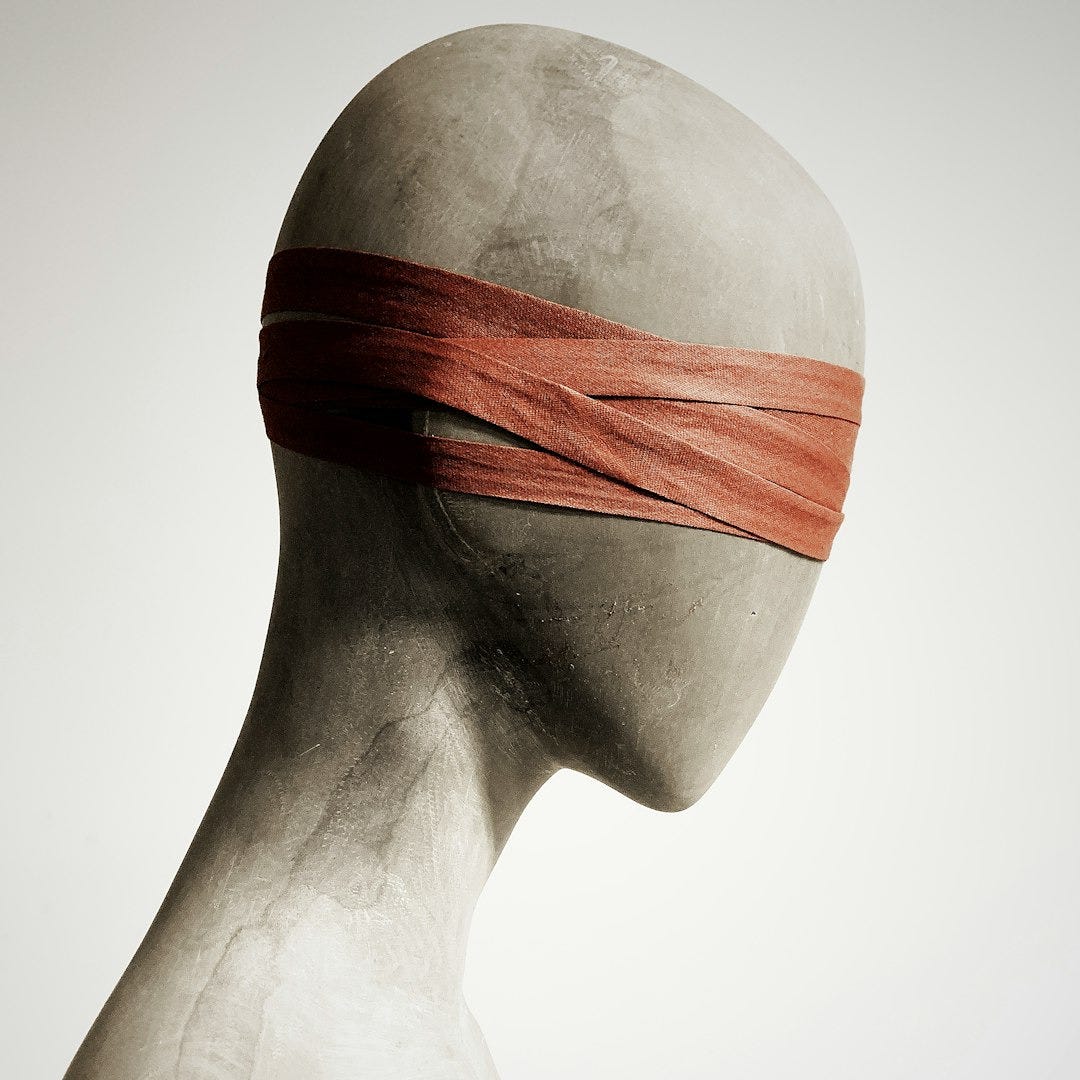
On November 5, 2009 Nidal Malik Hasan, an Army psychiatrist, opened fire at Fort Hood, Texas, killing 13 people and wounding over 30 others. The victims were soldiers and one civilian, all of them en route to deployment. They had families, friends, lives and futures which were brutally cut short that day. Their families have been living with the grief of those murders for nearly 17 years now.1
Hasan was convicted and sentenced to death. Defense Secretary Pete Hegseth now wants that execution (which is reportedly scheduled for Dec 3rd 2026) to be live streamed for the American people to watch.
This proposal is morally wrong.
It is repugnant for a government to invite people to watch the planned killing of someone. No matter what the execution is meant to achieve, showing it to the public turns it into a spectacle. It encourages us to see another person’s death as something to feel satisfied about, a show of power, or even entertainment.
This is not new in our history. In the past, public hangings drew large crowds. Lynchings became events where predominantly white people brought their families, took photos, and even kept souvenirs. These violent displays were used to show power, shame the condemned, and warn others that their lives could be taken with the crowd’s approval.
I am not saying that a military execution ordered by law is the same as a lynching. The history and legal context are very different. Still, making a death into public theater comes from a troubling part of our culture. It teaches people to gather around killing and see it as something that supports the moral order.
Christianity has a special perspective on this issue. At its heart is the story of a man who was executed in public by the Roman government. Crucifixion was meant to be a public display. The Romans made sure people saw the suffering, using it as a warning to others about the cost of defying their rule. The crowds were part of the punishment process.
For two thousand years, Christians have thought about this scene and seen how people can justify violence when they think they are right. Still, we are drawn to these public displays.
Our culture is filled with violence. We see it in movies and TV, play it in video games, and come across it on social media. We also watch real suffering in videos online. Some of these images help us see injustice, but others turn pain into entertainment. This difference matters because what we watch often shapes how we feel.
We cannot build a less violent society by cultivating an appetite for watching people die. We cannot teach reverence for human life while inviting the public to celebrate its deliberate destruction. And we cannot expect the next generation to develop compassion if we repeatedly present cruelty as a legitimate source of satisfaction.
This is a spiritual problem because faith shapes our character. Our traditions call us to practice compassion, mercy, self-control, and respect for life, especially since these qualities are not always easy for us. We learn compassion by practicing it again and again. But we can also get used to cruelty if we keep seeing it.
The old story of Cain reminds us of this moral line. After Cain kills his brother Abel, God punishes him and sends him away. But when Cain is afraid others will kill him for what he did, God marks him for protection. Even the first murderer in the Bible is not simply handed over to others for revenge.
In 2015, Pope Francis expressed that principle with extraordinary clarity when he wrote, “Not even a murderer loses his personal dignity.”2 This belief is not easy to hold. It asks us to see the humanity in someone who has done things we can barely understand. Hasan’s crimes were terrible. His victims should be remembered, and their families deserve our care. But his guilt does not mean we have to give up our own humanity.
I also worry about what this public event would mean for the memory of those killed at Fort Hood. Hasan would once again be the focus of national attention. His death would be shown, talked about, replayed, and watched. The people he killed could end up as background characters in another story about him. They deserve better.
For centuries, we have worked to build societies where justice keeps our desire for revenge in check. We created laws, courts, and systems to stop punishment from turning into uncontrolled anger. These systems are not perfect, but they show that we have learned power must be guided by moral responsibility.
Broadcasting a public execution takes us backward. It asks us to share in state violence as a group experience, encouraging the very feelings that a fair justice system should help us control.
I pray this plan is dropped. Even more, I pray religious leaders will speak out about what is at risk. A society cannot grow more compassionate by being cruel, and a government cannot teach respect for life by letting people watch someone die for entertainment.
The Christian cross should remind us of the danger of public executions. It should make us question any time the state asks a crowd to watch the suffering of someone it has condemned.
Maybe the most important question is what happens to us when we accept that invitation.
Every time we come together to celebrate someone else’s suffering, we lose a part of our own humanity.
We are in this together,
Cameron
Reflection Questions
How has our culture’s constant exposure to violence affected your own capacity to feel compassion, grief, or moral outrage when someone suffers?'
Where do you see the difference between seeking justice and taking satisfaction in another person’s suffering? How do you recognize that distinction within yourself?
What responsibility do religious communities have when governments or public figures encourage people to regard cruelty as a legitimate expression of strength or righteousness?
A Prayer for the Day
A Prayer To Deliver Us From Cruelty
God of Peace,

We grieve the lives taken by violence,
the families left with empty places,
and the wounds that years cannot heal.

We grieve, too,
the hardness growing in our common life,
the ease with which suffering becomes spectacle,
and the hunger for vengeance
we have learned to call justice.

Have mercy upon us.

Guard the dignity of those we condemn.
Restrain the hands entrusted with power.
Awaken compassion where contempt has taken root.

Keep us from finding pleasure
in another person's pain.

And teach us to build a world
where justice protects life,
mercy tempers power,
and no human death becomes a celebration.

Amen.
Spiritual Practice: Refuse the Spectacle
The Sisters of St. Francis begin their direction statement with a commitment to ongoing conversion through contemplative living, respectful dialogue, and nonviolent action.
For today’s practice, choose one of those commitments and allow it to shape an ordinary part of your day.
If you choose contemplative living, set aside fifteen minutes to be fully present to something you usually rush past. You might sit outside, tend a garden, walk through your neighborhood, or simply enjoy a meal without distractions. Pay attention to what happens when you stop treating the present moment as something to get through on your way to the next obligation.
If you choose respectful dialogue, seek out someone whose experience or perspective differs from yours. Ask a sincere question and listen without preparing your response. Notice what it feels like to approach another person with curiosity rather than the need to persuade them.
If you choose nonviolent action, consider where your words, habits, or decisions might be contributing to unnecessary harm. Perhaps you can interrupt a pattern of contempt, support someone experiencing exclusion, make a choice that reduces harm to the natural world, or take one concrete step toward repairing a strained relationship.
At the end of the day, reflect on what you experienced. Did the practice change how you felt, what you noticed, or how you related to another person?
The Franciscan understanding of conversion invites us to keep returning to the work of becoming. We need not wait for some extraordinary spiritual experience to begin. Our ordinary lives provide more than enough opportunities.
Tomorrow, you can begin again.
Upcoming Events That Might Be of Interest…
My team and I launched a new experiment we are calling “The Commons.” It’s an online space centered around communities of practice: groups of people who share a common concern, set of problems, or passion for a topic, and deepen their knowledge and expertise by interacting on an ongoing basis. Join the community here.
TODAY!!!!!! October 13, 2026 - 11-12:30pm ET - FREE ONLINE EVENT - The Art of Creating Community - We talk a great deal about the need for community these days. We are living through an epidemic of loneliness, deepening polarization, declining trust in institutions, and a growing sense that many of the places that once brought us together no longer do. But gathering people is not the same thing as creating community. Join me for a conversation with community strategist Laura Zug about the art and practice of forming communities that people genuinely want to be part of.
TODAY!!!!!! October 13, 2026 - 12:30 - 1:30pm ET - FREE ONLINE BOOK CLUB - For the next 5 weeks, I am hosting a book club where we will read Fr. Gregory Boyle’s “Cherished Belonging: The Healing Power of Love in Divided Times.” Father Gregory Boyle, founder of Homeboy Industries, has spent decades building community among people whom society has often discarded. In Cherished Belonging, he draws on those relationships and stories to explore what might happen if we stopped sorting people into categories of worthy and unworthy, us and them. Don’t worry if you don’t have time to read the book. We always have incredibly rich conversations. All are welcome. RSVP Here.
October 15, 2026, 7-8:45pm ET - I will be joining Jackie Sussman for an online session on practicing eidetics as part of our “Reclaiming the Power of Imagination” monthly series. Eidetic Imagery is a powerful tool for pastors, denominational leaders, coaches, and spiritual directors working with others, and for individuals seeking deeper integration and healing in their own lives. Jackie is a psychotherapist, author, and leading expert in Eidetic Image Psychology, and has spent over forty years helping leaders and individuals unlock creativity, uncover hidden strengths, and move through limiting patterns. During this session, she will lead a live Eidetic process shaped by mythic imagery, offering a direct experience of the work. REGISTER HERE.
October 18-21, 2026 - PREACH! 2026 Conference- I’ll be co-hosting PREACH in Minneapolis with Church Anew, a new gathering for preachers, storytellers, worship leaders, and spiritual communicators navigating what it means to speak with clarity, compassion, and courage in a changing world. If you’ve sensed that the preaching moment has changed and are longing for thoughtful community and renewed imagination for this work, I hope you’ll join us.
November 10, 7-8:30pm ET - I’ll be joined by theologian, writer, and professor Dr. Debra Rienstra for a special ONLINE conversation on Refugia Faith. In ecology, refugia are small places where life survives amid disruption, pockets of resilience from which life can eventually regenerate and spread. Debra invites us to consider what this might mean spiritually in an age of climate instability, political turmoil, institutional decline, and profound uncertainty. What if our congregations, communities, relationships, and even our own lives could become refugia, places where courage, compassion, beauty, wisdom, and possibility are protected and cultivated for whatever comes next? I hope you’ll join us for this timely and deeply hopeful conversation. REGISTER HERE!
November 4, 2026 - 7-8:30pm ET, ONLINE EVENT - Theologian Matthew Fox and I are teaming up again in a series called Journeying with the Mystics. The mystics have always emerged in times of uncertainty. They appear when old certainties are crumbling, when institutions no longer provide easy answers, and when people find themselves longing for a deeper experience of the Sacred. Join us for a 24-session exploration of the teachings of St. John of the Cross, Thomas Merton, Hildegard of Bingen, Kabir and Rumi, Meister Eckhart and more. This is more than a lecture series. It is an invitation into a living spiritual journey. Learn more and REGISTER HERE!
December 15, 7-8:30pm ET - FREE WEBINAR - I will be joined by Dr. Charissa Mikoski, Assistant Professor of Research and Hartford Institute for Religion Research for a presentation on “The State of American Congregations: What the Latest Data Tell Us.” This webinar explores findings from the 2025 Faith Communities Today survey, including changes in worship attendance, congregational vitality, finances, volunteering, programming, and leadership. It will also examine what more than 24,000 individual attenders tell us about participation and their experiences of congregational life. Together, these findings offer a picture that is neither simply one of decline nor one of revival, but of significant change and uneven recovery. REGISTER HERE.
Fun Things My Friends Are Up To…
I get to work with such amazing, creative people. This section is my way of celebrating them—no paid promotions, just joy in what they’re creating.
My dear friend Brian McLaren has a new novel coming in November, and I’m excited about this one. The Great Rift is the second book in his Last Voyage trilogy, imagining ten pioneers leaving a dying Earth for a fragile human settlement on Mars. The story weaves together ecological imagination, spirituality, art, survival, and the possibility of creating a genuinely different future. Brian is one of the most thoughtful and imaginative writers I know, and I love seeing him use fiction to explore questions he has spent a lifetime asking. The Great Rift comes out November 3 and is available for preorder now.
My friends at Church Anew have been building a terrific library of resources for congregations and church leaders navigating ministry in these strange and demanding times. You’ll find thoughtful worship and preaching resources, practical tools, and material designed to help communities engage the questions actually shaping our lives right now. I deeply appreciate the imagination and theological depth Church Anew brings to its work, so if you’re a pastor or congregational leader looking for fresh resources, spend a little time exploring what they’re creating.
Every Monday, 12pm ET - ONLINE WRITING GROUP - My dear friend, Meryl Marshall-Daniels, is leading a writing group open to all. This is a simple and spacious writing circle for people who want time to listen inwardly and put words on the page without overthinking, performing, or polishing. Meryl offers a prompt designed to invite reflection, imagination, and attunement to what is already alive within you. The practice honors writing as a way of listening, of letting images, memories, questions, and insights surface in their own time. Learn more here.
If you are a leader or member of a congregation looking for consulting support in visioning, planning, hiring or staffing, please consider Convergence.
https://apnews.com/article/fort-hood-shooter-execution-pentagon-818853afc1be5c70fe41c5b781a8d559
https://www.vatican.va/content/francesco/en/letters/2015/documents/papa-francesco_20150320_lettera-pena-morte.html