

“See, I am setting before you today life and prosperity, death and adversity… Choose life so that you and your descendants may live.” — Deuteronomy 30:15, 19, NRSVUE
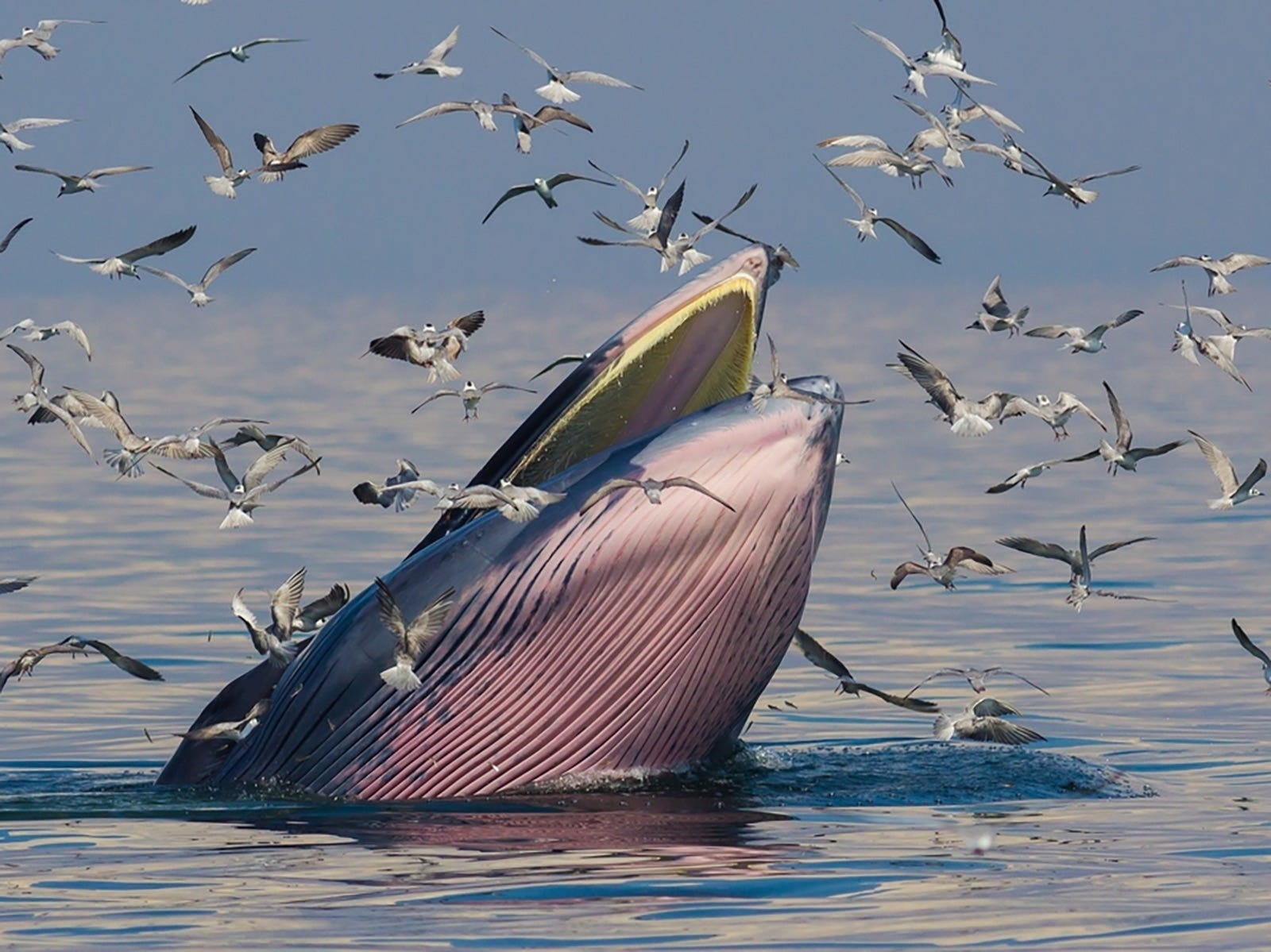
There are maybe fifty Rice’s whales left in the world. Just fifty living creatures stand between a species and extinction. They live almost entirely in the northeastern Gulf of Mexico, where shipping, energy projects, ocean noise, pollution, and other human activities already make survival difficult.
This week, the Trump administration introduced a new interpretation of the Endangered Species Act, changing what it means to illegally “take” an endangered animal. An internal Fish and Wildlife Service memo gives a stunning example. If a ship hits and kills an endangered whale, the death usually would not count as an illegal “take” because the ship was not intentionally aimed at the whale. In the same way, if someone cuts down a tree with endangered bats inside, the law would not always see those deaths as a prohibited take unless the goal was to kill or capture the bats.
The administration says this interpretation better fits the language Congress used in the Endangered Species Act and keeps legitimate economic activity from being punished for unintentional results. Conservationists and former wildlife officials say it removes one of the law’s key protections: the duty to prevent foreseeable harm before an endangered animal dies.
I imagine lawsuits are being filed as I write this, and courts will likely weigh in, hopefully to right this wrong. But I am interested in the moral question beneath the law.
What responsibility do we have for harm we did not mean to cause but had good reason to expect might happen?
This question feels especially meaningful now, as our Jewish kindred have just celebrated Rosh Hashanah and are in the Ten Days of Repentance leading up to Yom Kippur. At the center of these holy days is the ancient practice of teshuvah. We often translate teshuvah as repentance, but the Hebrew word also means returning or turning back. Sometimes, things in my life get off track. I may have created harm, damaged a relationship, or drifted from the person I want to be. Repentance starts when I see that clearly enough to follow a different path.
Anyone who has hurt someone they care about knows how hard this can be. We explain our intentions. We defend what happened. We point out what the other person misunderstood. We say, “But I didn’t mean to hurt you.” Perhaps we didn’t. Intentions matter. Accidentally causing harm is not the same as doing it on purpose. But if we want to make things right, we have to stop explaining ourselves and listen to the real effects of our actions.
This is where teshuvah becomes challenging. The question changes from “Did I mean to cause harm?” to “Now that I see the harm, how will I live differently?”
This is a spiritual question with big consequences in our connected world, since much of the harm we cause is not intended but still predictable. We do not drive cars to warm the planet. We do not buy cheap products hoping workers will be exploited. We do not build homes to destroy wetlands. We do not ship goods across oceans to have whales struck by ships. Still, we are part of systems whose effects are becoming clearer to us. Knowing more changes what we are responsible for.
That does not mean we can live without ever causing harm. We cannot track every result of every purchase, every mile we travel, every meal we eat, or every system we take part in. Trying to be perfectly moral can end up paralyzing us. Teshuvah asks, “Once we see the truth, are we willing to change?”
This is why I worry about weakening protections for endangered species. The main goal of the Endangered Species Act is to act before it is too late. We know where some of these animals live. We know what puts them at risk. We often know what could help. The moral question is whether we will let that knowledge guide our choices.
Extinction makes this question urgent. People are capable of amazing repair. Forests can grow back. Rivers can be restored. Relationships can sometimes heal. Communities can rebuild after great harm.
Extinction is different. When the last member of a species dies, there is no apology we can give and no way to make up for it. A form of life formed by millions of years of evolution disappears from the Earth, and any chance to repair our relationship with it is lost.
The High Holy Days teach that as long as there is life, there is a chance to return. We are not trapped by our past actions. We can admit harm without being crushed by shame. We can make amends where we can. We can change our behavior because we now understand something we missed or ignored before. Doing so is not weakness. It shows moral maturity.
There are perhaps fifty Rice’s whales left. We know they exist. We know some of the things that threaten them. We know enough to make different choices. Teshuvah asks us whether we will change while there is still someone left to receive that change.
We are in this together,
Cameron
Reflection Questions
Where in your own life have you relied on good intentions rather than taking responsibility for the consequences of your actions?
What harm do you now understand more clearly than you did five or ten years ago, and what might teshuvah ask of you in response?
Where is there still time in your life, your community, or our relationship with the Earth to turn toward another way?
A Prayer for the Day
A Prayer: While There Is Still Time
Holy One of life,

We confess how easily
we defend what we intended
while looking away from what we have done.

Teach us the courage of teshuvah.

Where we have caused harm,
help us see clearly.

Where repair is possible,
make us willing.

Where another path remains open,
give us courage to turn.

Hold close the creatures
whose lives have become fragile
because of choices we have made.

May we choose life
while life can still be chosen.

May we turn
while there is still time.

Amen.
Spiritual Practice: Turn One Degree
Teshuvah doesn’t ask you to fix everything at once. Start with one area where you already see a need for change. Pick something you can address directly. Maybe you need to apologize to someone. Or you might notice a habit that’s hurting your health, a relationship, someone else, or even the planet. Maybe you keep doing something just because it’s easier not to change.
Write a sentence: “I know that my choice to ______ has this consequence: ______.”
Don’t explain your reasons or try to justify yourself. Just state the truth about what your actions cause.
Next, ask yourself, “What would turning look like here?”
Keep your answer specific and manageable so you can start today. Call someone. Change what you buy. Fix what you broke. Donate to help restore something. Use less of something. Protect someone or something at risk. Learn enough about a consequence you’ve ignored so you can’t pretend not to know anymore.
Now, take the first step. Even a small change in direction can eventually take you somewhere completely new. That’s the hope at the heart of teshuvah. We don’t have to stay on the same path just because we’ve been on it for a long time. We can choose a new direction.
Upcoming Events That Might Be of Interest…
My team and I launched a new experiment we are calling “The Commons.” It’s an online space centered around communities of practice: groups of people who share a common concern, set of problems, or passion for a topic, and deepen their knowledge and expertise by interacting on an ongoing basis. Join the community here.
September 17, 2026, 7-8:45pm ET - I will be joining Jackie Sussman for an online session on practicing eidetics as a part of our “Reclaiming the Power of Imagination” monthly series. Eidetic Imagery is a powerful tool for pastors, denominational leaders, coaches, and spiritual directors working with others, and for individuals seeking deeper integration and healing in their own lives. Jackie is a psychotherapist, author, and leading expert in Eidetic Image Psychology, and has spent over forty years helping leaders and individuals unlock creativity, uncover hidden strengths, and move through limiting patterns. During this session, she will lead a live Eidetic process shaped by mythic imagery, offering a direct experience of the work. REGISTER HERE.
October 6, 2026 - 7-8:30pm ET, ONLINE EVENT - Matthew Fox and I are teaming up again to launch a series called Journeying with the Mystics. The mystics have always emerged in times of uncertainty. They appear when old certainties are crumbling, when institutions no longer provide easy answers, and when people find themselves longing for a deeper experience of the Sacred. Join us for an 18-session exploration of the teachings of St. John of the Cross, Thomas Merton, Hildegard of Bingen, Kabir and Rumi, Meister Eckhart and more. This is more than a lecture series. It is an invitation into a living spiritual journey. REGISTER for the first session HERE!
October 18-21, 2026 - PREACH! 2026 Conference- I’ll be co-hosting PREACH in Minneapolis with Church Anew, a new gathering for preachers, storytellers, worship leaders, and spiritual communicators navigating what it means to speak with clarity, compassion, and courage in a changing world. If you’ve sensed that the preaching moment has changed and are longing for thoughtful community and renewed imagination for this work, I hope you’ll join us.
November 10, 7-8:30pm ET - I’ll be joined by theologian, writer, and professor Dr. Debra Rienstra for a special ONLINE conversation on Refugia Faith. In ecology, refugia are small places where life survives amid disruption, pockets of resilience from which life can eventually regenerate and spread. Debra invites us to consider what this might mean spiritually in an age of climate instability, political turmoil, institutional decline, and profound uncertainty. What if our congregations, communities, relationships, and even our own lives could become refugia, places where courage, compassion, beauty, wisdom, and possibility are protected and cultivated for whatever comes next? I hope you’ll join us for this timely and deeply hopeful conversation. REGISTRATION COMING SOON!
Fun Things My Friends Are Up To…
I get to work with such amazing, creative people. This section is my way of celebrating them—no paid promotions, just joy in what they’re creating.
My friend Kathy Coffey Solberg has just released Reweaving What Matters: Practical Tools for Workplace Transformation, a timely guide for leaders and communities navigating change. Using weaving as both metaphor and method, Kathy helps readers identify patterns that are no longer working and build healthier, more intentional ways forward. It’s especially useful for congregations, nonprofits, and other organizations facing deep transition. You can learn more and order the book here.
The Convergence Music Project has scheduled the fall conference on October 7-10, 2026 in Louisville, Kentucky. We will sing new community songs created specifically for this time in our history and explore together how the songs we sing in worship (and beyond) can empower and encourage us as we live out the biblical call to “do justice, love kindness, and walk humbly with our God.” Learn more here.
Become more comfortable talking to others about creation care and more confident acting on solutions. Join Blessed Tomorrow + Faith Training on 9/26. Register: https://us06web.zoom.us/meeting/register/fBrgjj76QemIfWeSP2bJRQ
My dear friend, Rev. Shawna Bowman has just launched a new podcast with musician Jennifer Knapp called “My Wise Friend Podcast.” They talk about it this way: “You might know Jennifer from her years as a touring musician and songwriter, weaving stories and songs together across the country. You might know Shawna from their work as an artist, speaker, and community leader exploring the intersection of spirituality, justice, and creativity. While our daily work looks different, we share a deep love for real talk, deep questions, and finding wisdom in unexpected places.” I am so excited about this! I hope you will check it out and support them. https://www.patreon.com/cw/mywisefriendpodcast
Every Monday, 12pm ET - ONLINE WRITING GROUP - My dear friend, Meryl Marshall-Daniels, is leading a writing group open to all. This is a simple and spacious writing circle for people who want time to listen inwardly and put words on the page without overthinking, performing, or polishing. Meryl offers a prompt designed to invite reflection, imagination, and attunement to what is already alive within you. The practice honors writing as a way of listening, of letting images, memories, questions, and insights surface in their own time. Learn more here.
If you are a leader or member of a congregation looking for consulting support in visioning, planning, hiring or staffing, please consider Convergence.
I read today’s meditation and felt a big lose. Trump and his Reich/Administration do not care about LIFE!!! They are driven by greed and power alone and are willingly destroying America and by their same actions, the world. The scariest thing about all this is that America is allowing it by its inaction.
The rest of the free world is scrambling to work around America and by the time change happens in America, the world will have moved on and America will be left alone.
Trump and his people are already threatening its closest friend and ally and we are trying to get out from under America and are basically being called traitors.
When a bully becomes unbearable, you have to find friends who want to walk with you, not over you!!!